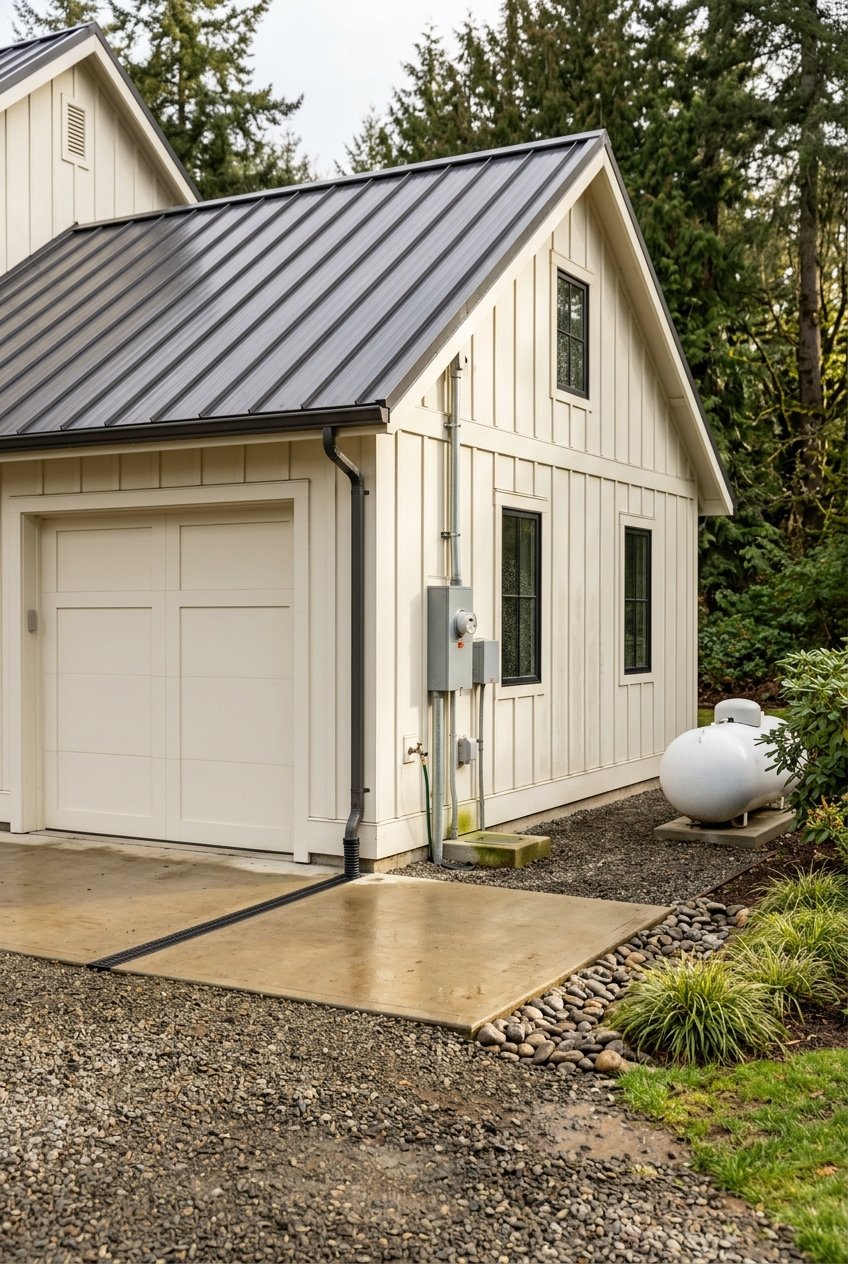
Buying acreage can feel like a dream come true until the details start stacking up. In Machias, a beautiful parcel may also come with questions about wells, septic, access, permits, and site restrictions that are not always obvious from a quick showing. If you are considering land or a home on acreage here, this guide will help you focus on the due diligence that matters most before you make an offer. Let’s dive in.
Start With Jurisdiction
One of the first things to confirm is whether the property is inside city limits or in unincorporated Snohomish County. That distinction matters because county permit guides apply only to unincorporated property. A parcel-by-parcel review is the right approach, especially in an area like Machias where conditions can vary widely.
A practical starting point is Snohomish County’s SCOPI map. It can show parcel ID, address, owner, gross acres, sales history, and structure data. County public records and recording files can also help you review plats, surveys, deeds, liens, and permit history tied to the property.
Check Water and Sewer Early
Utilities are one of the biggest differences between in-town homes and acreage properties. In more urban service areas, public utilities may already be in place. Acreage properties, by contrast, often require closer review of private systems or service availability.
For rural properties, Snohomish County states that an approved well and an on-site septic system approved by the Snohomish County Health Department are required for construction of a residence or buildings with plumbing. If the parcel is already served by sanitary sewer or public water, you will need a supplier availability letter before a new home or manufactured home can be permitted.
What to review for wells
Existing wells are not subject to a state or local inspection requirement during a real estate transaction. Even so, you should still review available inspections, water-quality sampling, existing records, and seller disclosures before moving forward.
The Snohomish County Health Department recommends testing existing wells for at least:
- Coliform bacteria
- Nitrate
- Arsenic
If arsenic levels are high, treatment is required before the well can be accepted as a drinking-water supply, and an arsenic disclosure form must be recorded. That makes water testing more than a box to check. It is an important health, cost, and planning issue.
Older acreage can bring another layer of complexity. The Health Department notes that wells built before 1973 may not have been recorded, and abandoned wells must be decommissioned because they can contaminate groundwater and create safety hazards.
What to review for septic
Septic records are just as important as well records. The Health Department keeps septic and well records, including some as-built drawings and online RME files. Before you buy, it is smart to request septic as-builts and confirm the system’s location, status, and capacity.
Understand Access and Road Responsibility
Access is not just about whether you can reach the home. It also affects future permit work, maintenance expectations, and seasonal usability. On acreage, that can become a major ownership issue.
Snohomish County explains that access permits apply only to county-maintained roads. If a single-family home takes direct access from an existing private road, an access permit is not required. But if a new private road connects to a county road, or if a secondary access point to a county road is proposed, county review is required.
Just as important, the county notes that an access permit does not approve private driveway or private-road construction. That means access-related work may be reviewed separately from building work, so it is wise to verify the exact access path early.
Questions to ask about roads and driveways
Before you commit to a property, ask:
- Is the road county-maintained or private?
- How is the road maintained?
- Is the driveway shared with another parcel?
- Has snow removal been a challenge?
- Has drainage or culvert work been needed?
- Are there any recorded easements that affect access?
This matters in winter too. Snohomish County says property owners in unincorporated areas fund the Road Levy, which supports about 1,600 miles of roads and 210 bridges. The county also notes that crews make every effort to clear steep access roads and lower-priority residential roads only as resources allow. If a parcel sits on a steep or remote route, winter access deserves careful review.
Verify Outbuildings and Future Plans
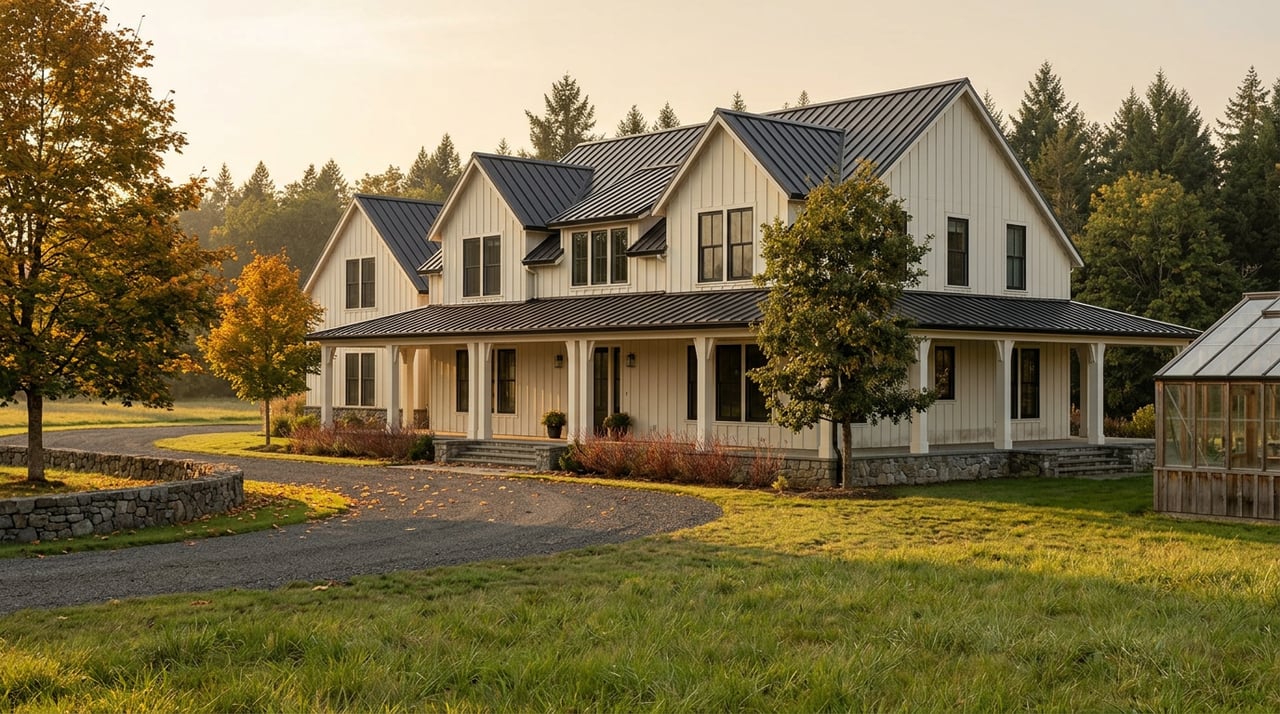
Acreage buyers are often drawn to shops, barns, detached garages, greenhouses, and extra structures. These features can add flexibility and charm, but they also need to be verified. What matters is not only whether a structure exists, but whether it was permitted and whether it can legally remain, be expanded, or be replaced.
Snohomish County says most structures require a building permit and site development plan unless they are exempt. Common exemptions include non-habitable structures under 400 square feet in rural zones, but even exempt structures still must meet setback rules and critical-area buffers. In some cases, flood-hazard permits may still be required even if a project is otherwise exempt.
County permit categories for accessory buildings include:
- Sheds
- Storage buildings
- Workshops
- Detached garages
- Greenhouses
- Agricultural buildings
If you are hoping to use a property for a specific lifestyle, such as hobby farming, storage, workspace, or future expansion, it is important to match that vision against actual records. Permit history from county records can help clarify what has been approved on the site.
Watch for Critical Areas and Site Limits
Some of the most important acreage issues are not visible from the driveway. A parcel may look open and usable, yet still be affected by critical-area rules, floodplain regulations, or slope conditions that limit what you can do with the land.
Snohomish County’s critical-area rules apply to all unincorporated areas of the county. They cover wetlands, critical aquifer recharge areas, frequently flooded areas, geologically hazardous areas, fish and wildlife habitat conservation areas, and channel migration zones.
For residential development, sites within 400 feet of geologic hazard areas or within 500 feet of other critical areas and buffers must identify those features on the site plan. In some cases, critical-area site plans may also need to be recorded with the county auditor.
Floodplain and shoreline review
Floodplain rules are separate from standard building rules. Snohomish County states that development activities in a 100-year floodplain are subject to flood-hazard permits. If a parcel includes low areas, drainage corridors, or land near regulated water, this is worth reviewing very early.
If the parcel touches a shoreline or another regulated waterbody, shoreline requirements can create a separate county review path. The county recommends a pre-application meeting before submission in these situations.
Steep slopes and landslide concerns
Landslide risk is another issue that can affect acreage property. Snohomish County says development is not allowed in landslide hazard areas unless certain criteria are met, and geotechnical evaluation may be required when steep slopes are present nearby.
The county also notes that its landslide maps are informational only and must be verified by the project proponent. In other words, map review is a starting point, not the final answer. If a property has slope-related questions, third-party evaluation may be needed.
Review Farmland and Land-Disturbance Rules
If you are considering acreage with farmland potential, it is important to understand that agricultural use does not remove all permit requirements. Snohomish County notes that ordinary farming activities such as plowing are often exempt from land-disturbing activity permits.
However, construction of a residential or commercial building on farmland typically still requires a land-disturbing activity permit along with the building permit. Flood-hazard permits may also apply in the 100-year floodplain. If your long-term plans include building, adding a structure, or changing site use, those details should be reviewed early.
Build a Smart Due-Diligence File
Acreage purchases usually reward buyers who gather documents before emotions take over. The more complete your file is, the easier it becomes to understand risk, cost, and next steps.
Before making an offer on acreage in Machias, ask for:
- A SCOPI parcel printout
- Septic as-builts
- Well logs
- Recent water test results
- Road or driveway permits
- Survey documents
- Easement documents
- Permit records for barns, shops, sheds, or accessory dwelling units
Snohomish County also offers a pre-application conference and site visit option before permit submittal. This can be especially helpful when a property has complicated access, utility, shoreline, or critical-area questions.
Why Local Guidance Matters
Buying acreage is rarely a simple yes-or-no decision. It is a process of confirming how the land works, what has already been approved, and what your future plans will realistically require. In Machias, that often means coordinating county records, health department files, and third-party inspections in the right order.
A local real estate advisor can help you verify jurisdiction, organize records, identify when engineers or inspectors may be needed, and keep your timeline realistic. That kind of support can bring clarity to a purchase that might otherwise feel overwhelming.
If you are considering acreage in Machias and want a thoughtful, local approach to the process, Tanya Mock Real Estate is here to help you evaluate the details with care and confidence.
FAQs
What should you check first before buying acreage in Machias?
- Start by confirming whether the property is in unincorporated Snohomish County or inside city limits, then review the parcel through SCOPI and county records.
Does acreage in Machias usually have public water and sewer?
- Not always. Rural properties often rely on an approved well and on-site septic system, while some parcels may require supplier availability letters if public service is available.
What water tests matter for an existing well in Machias?
- Snohomish County Health Department guidance says existing wells should at minimum be tested for coliform bacteria, nitrate, and arsenic.
Do outbuildings on acreage in Machias need permits?
- Many do. Some small non-habitable rural structures may be exempt, but they still must meet setback and critical-area rules, and flood-hazard permits can still apply.
How do you verify access to an acreage property in Machias?
- Review whether access comes from a county-maintained road or a private road, and gather any permits, easements, and maintenance information tied to the driveway or road connection.
Can critical areas affect what you build on acreage in Machias?
- Yes. Wetlands, flood-prone areas, geologic hazards, shoreline rules, and other critical-area regulations can limit where and how development happens on unincorporated parcels.