By Tanya Mock
Owning a home in Snohomish, WA, means working with the Pacific Northwest climate rather than against it. We get roughly 50 inches of rain a year and around 177 days of precipitation — that's not a backdrop you can ignore when it comes to maintaining your property. I've worked with buyers, sellers, and homeowners throughout this community for over two decades, and the homes that show best, sell fastest, and hold their value longest are the ones whose owners stay ahead of the season rather than catching up after the damage is done. Here's how I think about that, season by season.
Key Takeaways
- Snohomish's wet climate makes moisture management the central concern across all four seasons
- Spring and fall are the two highest-priority maintenance windows for Pacific Northwest homeowners
- Consistent preventive maintenance protects your roof, foundation, and exterior from the area's most costly damage patterns
- A well-maintained home in this market inspects cleanly, sells faster, and commands stronger offers
Spring: Assess, Repair, and Prepare for the Dry Season
Spring in Snohomish is when the rain begins to ease and the longer daylight hours make exterior work practical again. It's also when the full impact of a wet winter becomes visible — moss on the roof, debris in the gutters, soft spots in decks and fencing, and any drainage issues that allowed water to pool against the foundation. This is the season to assess what the winter left behind and fix it before summer dries everything out and makes repairs easier.
Gutters are the place to start. Clogged or damaged gutters are one of the most common causes of water damage to Snohomish homes — when they overflow, water runs down the exterior and pools at the foundation, which leads to wood rot, mold, and in serious cases, structural damage. Clear them completely and check that downspouts direct water at least several feet away from the house.
Spring Maintenance Priorities
- Clean gutters and inspect downspouts for damage or improper drainage direction
- Inspect the roof for missing shingles, lifted flashing, or moss growth — moss caught early is far cheaper to treat than moss that's been spreading for a season
- Check decks, fences, and exterior siding for signs of rot, especially at ground-level connections where moisture accumulates
- Service your HVAC system before the warmer months, including replacing filters and scheduling a professional inspection if it hasn't been done recently
Summer: Make the Most of the Dry Window
Summer in Snohomish is genuinely beautiful — temperatures average around 70 degrees Fahrenheit, the days are long, and the rain largely stays away. This dry window is the best time to tackle projects that require extended dry conditions: painting exteriors, resealing decks and patios, pressure washing siding and driveways, and addressing any landscaping that could become a moisture or pest problem.
Trees and shrubs that grow close to the house are worth particular attention. Overhanging branches drop debris into gutters and keep sections of the roof shaded and damp — conditions that accelerate moss growth. Trimming them back during dry weather is easier and produces better results than waiting until fall.
Summer Maintenance Priorities
- Reseal or restain decks and exterior wood surfaces while conditions are consistently dry
- Pressure wash exterior siding, driveways, and walkways to remove moss, mildew, and winter grime
- Trim trees and shrubs away from the roofline and siding to improve airflow and reduce debris accumulation
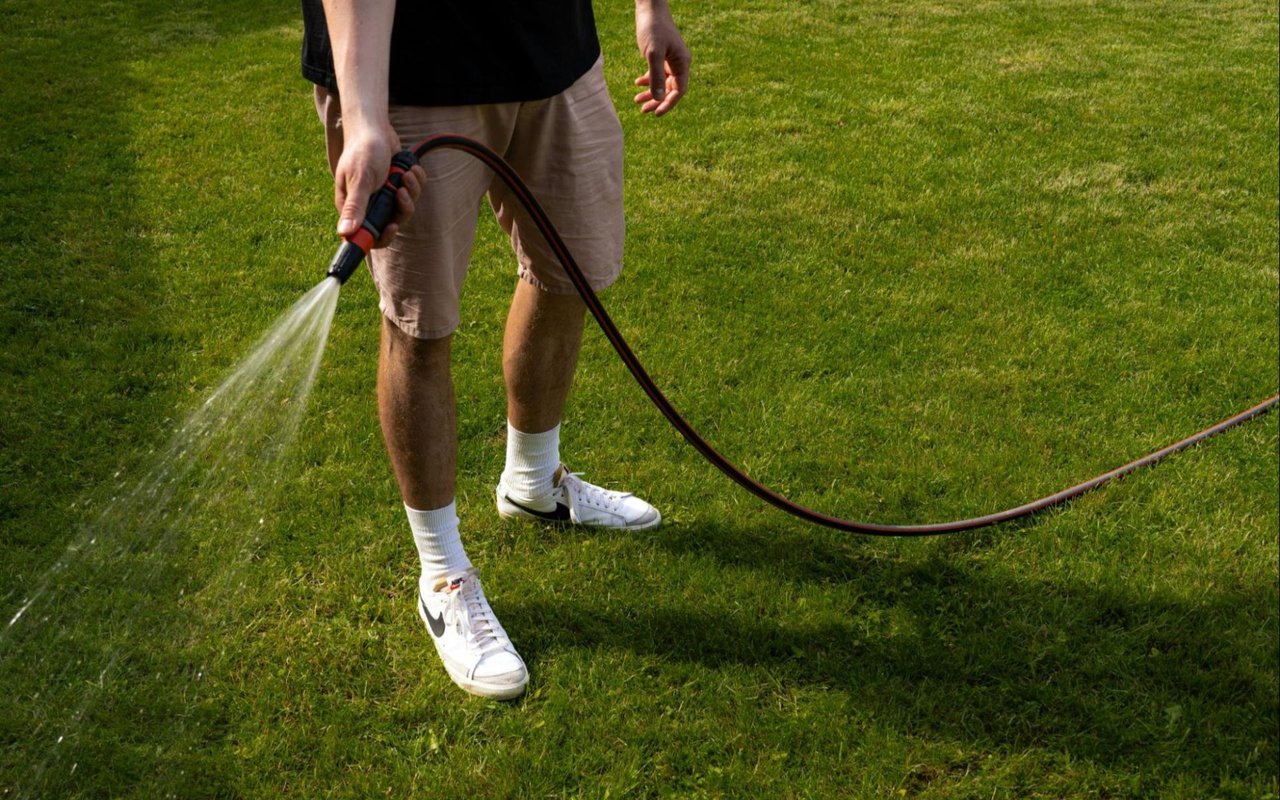
- Check irrigation systems and outdoor faucets for leaks that could cause soil saturation near the foundation
Fall: The Most Important Maintenance Window of the Year
If I had to pick one season that matters most for Snohomish homeowners, it's fall. This is your last clear window before the rains return in earnest, and the work you do now directly determines how well your home weathers the months ahead. The to-do list is specific, and treating it seriously pays off — reactive repairs in the middle of a wet winter cost significantly more than preventive work done in October.
Gutters need cleaning again — leaves fall fast in Snohomish, and a gutter that was clear in August can be completely clogged by November. Roof inspection is critical before the rainy season: even a small unaddressed leak becomes a serious problem over months of steady rainfall. Moss treatment applied now prevents the growth that would otherwise lift shingles and trap moisture through the winter.
Fall Maintenance Priorities
- Clean gutters thoroughly after leaf fall — consider gutter guards if your property has heavy tree coverage
- Inspect the roof before the rainy season and address any moss, damaged shingles, or flashing issues
- Check all exterior caulking and weatherstripping around windows and doors — gaps let in both cold air and moisture
- Have your heating system serviced and filters replaced before it's running daily
Winter: Monitor, Protect, and Stay Ahead of the Cold
Snohomish winters are cool and wet rather than extreme — temperatures rarely drop below 26 degrees Fahrenheit — but the persistent moisture and occasional freeze-thaw cycles create their own demands. Pipes in uninsulated spaces can freeze during cold snaps. Crawl spaces need monitoring for moisture intrusion after major storms. Smoke and carbon monoxide detectors should be tested as heating systems run more frequently.
This is also the time to keep an eye on the roof after heavy storms and to check that gutters and downspouts are still clear and functional as winter precipitation continues. Winter maintenance is less about major projects and more about monitoring, responding quickly, and making sure the work done in fall is holding up.
Winter Maintenance Priorities
- Inspect crawl spaces after significant storms for moisture, standing water, or signs of intrusion
- Test smoke and carbon monoxide detectors and replace batteries if needed
- Check exposed pipes in unheated spaces during cold snaps and insulate if necessary
- Monitor gutters and roof after heavy rain or wind events and clear debris promptly
Frequently Asked Questions
How often should I have my roof inspected in Snohomish?
Twice a year is the standard recommendation for Pacific Northwest homeowners — once in spring to assess winter damage, and once in fall before the rainy season begins. If your roof has significant moss coverage or is more than 15 years old, annual professional inspection is worth the investment.
Is moss on my roof actually a problem, or just cosmetic?
It's a real problem. Moss holds moisture against the roofing material, lifts shingles over time, and creates conditions for leaks and accelerated deterioration. In Snohomish's climate, moss treatment should be part of the annual maintenance routine — not something addressed only when it's visually obvious.
Does good maintenance actually affect what my home sells for?
Yes, and significantly. A home that has been consistently maintained inspects cleanly, which gives buyers confidence and reduces the likelihood of price reductions during the contingency period. In my experience selling homes throughout Snohomish County, well-maintained properties attract stronger offers and spend less time on the market — the investment in upkeep pays back when it matters most.
Work with Tanya Mock Real Estate
Whether you're maintaining a home you love, preparing to sell, or trying to understand what a property's condition really means before you buy, I'm here to help you think through it. Reach out to me, Tanya Mock Real Estate, and let's talk about your home and what it takes to protect it well in this community.