Ask three real estate data sources what a home costs in Kensington, Maryland this year and you will get three answers that do not just disagree on a number. They disagree on what a home in Kensington even is.
Redfin's tracking showed a January 2026 median sale price of $690,000, down more than 20 percent from the year before, with typical listings going under contract in about 36 days. Zillow, measuring differently, put the typical home value at $815,355 as of March 31, 2026, with a median list price of $871,617. A third read on the same market that same month showed a median list price closer to $1,050,000, with homes typically selling near asking price in a median of 26 days. Three snapshots, three methods, one town, and a spread wide enough to buy a second home in most of the country.
The instinct is to treat this as a data quality problem, one more reminder that automated valuations are rough estimates and portals measure different slices of a market. That is true, but it is not the interesting part. The interesting part is that Kensington's housing stock is genuinely split into two products, and the line between them runs down specific streets, not just through spreadsheet methodology. Once you see the line, the price disagreement stops looking like noise and starts looking like a map.
The Preservation Line
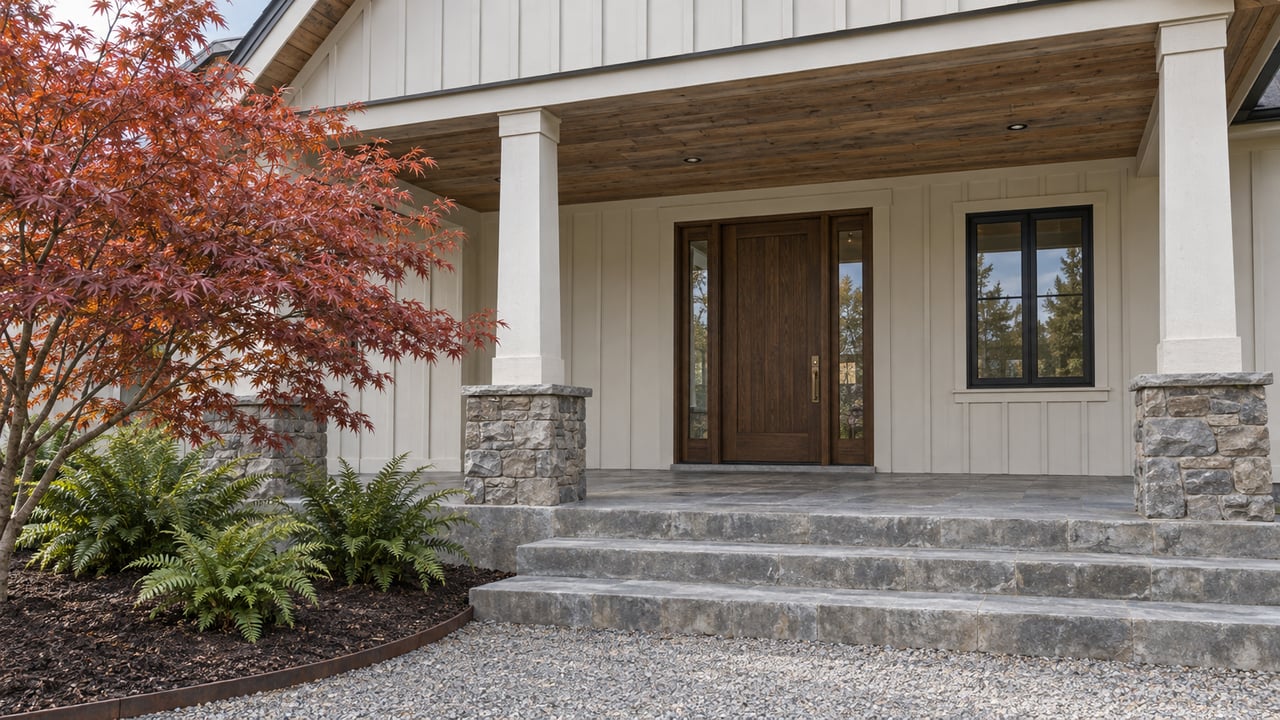
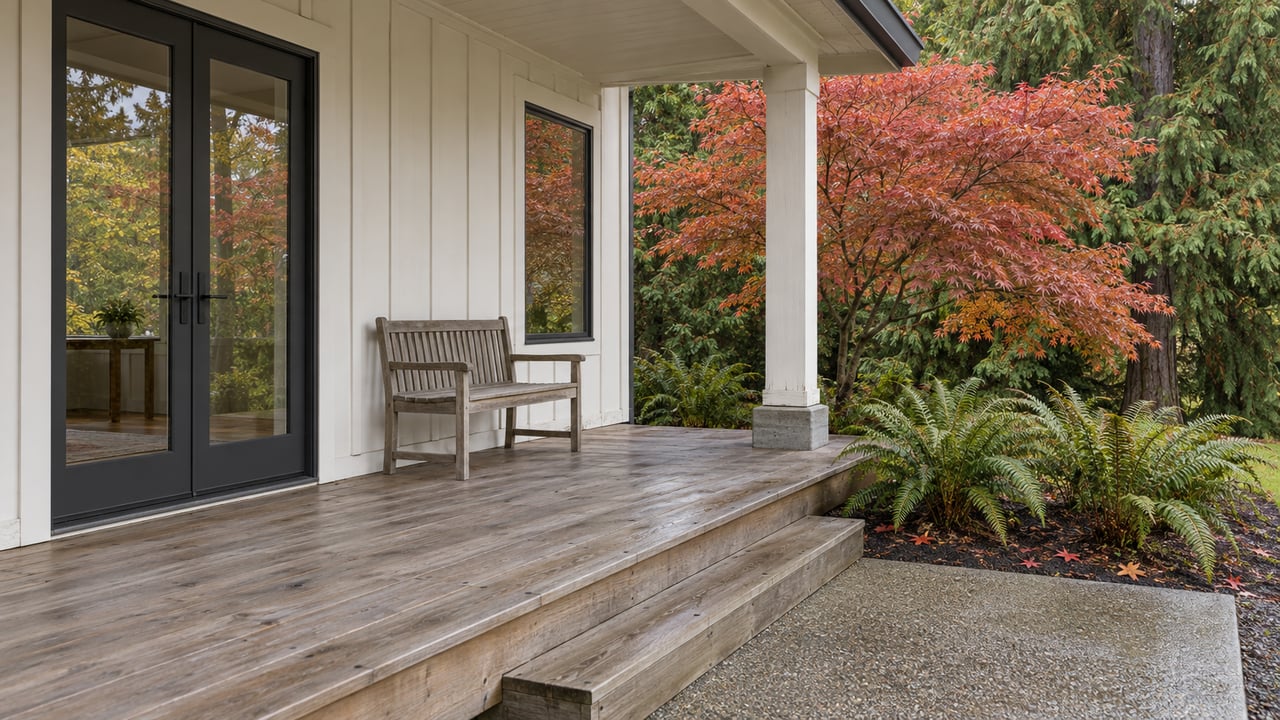
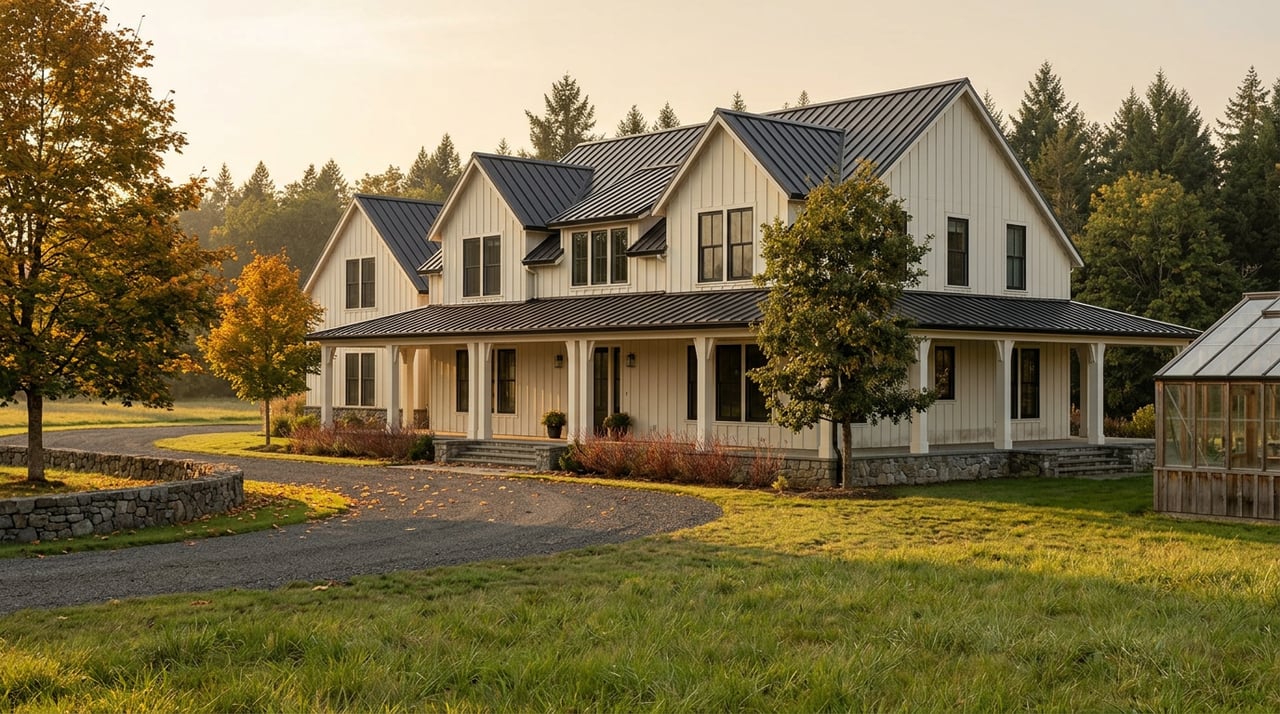
At the center of Kensington sits a historic district built largely between the 1890s and the 1920s, anchored by Howard Avenue's Antique Row and threaded through neighborhoods like Ken Gar. These are the Victorians and foursquares people picture when they think of Kensington: wraparound porches, original millwork, the occasional secret room tucked behind a pocket door. County staff reports on individual properties, including one on Washington Street, describe the kind of detail that defines the district: cross gambrel roofs, oriel and bay windows, wood-sash fenestration original to construction.
Owning one of these homes means owning a piece of the district's character, and it also means accepting a layer of process most buyers do not think to ask about until they are mid-renovation. According to Showcase Architects, a property inside the district generally cannot have its exterior touched, a new roofline, replacement windows, a rebuilt porch rail, an addition visible from the street, without a Historic Area Work Permit clearing county review first, and the Town of Kensington adds its own layer of local sign-off on top of the county's.
There is a real distinction worth knowing here. Interior work generally sits outside that review entirely. A full gut of the kitchen, new bathrooms, reconfigured bedrooms behind original walls, can often proceed on a normal renovation timeline, while the exterior of the same house answers to a different clock. That asymmetry shapes how owners actually live in and improve these homes, and it is a detail a listing sheet will never show you.
The Other Kensington
Step outside the historic boundary and the rules change entirely. Rock Creek Hills, Parkwood, and Chevy Chase View carry a different housing stock, largely mid-century homes on generous, tree-covered lots.
South Kensington has become something more specific: a hotbed of infill development, popular with buyers looking to stretch their dollars while leaving Bethesda behind. As of a September 2025 market update, new custom homes there were starting around $1.5 million, built on small, closely spaced lots that trade architectural rarity for brand-new construction and a shorter permitting path.
A few blocks from that pattern, EYA is building Strathmore View, a 125-home community that includes 108 brownstone-style townhomes, on Dulcet Drive inside the Kensington 20895 zip code. Livabl listed the community starting from $1,190,000 in April 2026. By late summer, a Zillow listing for the same community showed entry pricing closer to $1.3 million, a climb of roughly six figures in just a few months, over the same stretch the historic core's reported median sale price was falling. The builder markets the address under a North Bethesda label even though it shares Kensington's zip code, reflecting the two labels used for the area. Residents get walking access to both the Grosvenor-Strathmore Metro station and the Garrett Park MARC stop, a transit position the historic core, set back from the rail line, does not share.
There is a third path worth knowing about too. The historic Warner estate has been reimagined as the Warner Circle Mansion Condominiums, a boutique collection of 15 residences carved out of a preserved mansion in the town's core. It is neither a Victorian single-family home nor a new-construction townhouse. It is what happens when a historic structure gets adaptive reuse instead of either strict preservation or a teardown, a reminder that the line between Kensington's two markets is not always a hard wall.
What This Actually Means When You Compare Two Listings
If you are cross-shopping Kensington against another close-in Montgomery County town, the median price is the wrong first question. The better one is: which side of the preservation line is this specific address on, and what does that mean for what you can do to it after closing.
| Inside the Historic District | Outside the Historic District | |
|---|---|---|
| Approval for exterior changes | Historic Area Work Permit through the county Historic Preservation Commission, plus Town of Kensington review | Standard county permitting, |
| Typical era and style | 1890s to 1920s Victorians and foursquares | Mid-century homes (Rock Creek Hills, Parkwood) or new construction (South Kensington, Strathmore View) |
| Interior renovation | Generally outside HAWP jurisdiction, often faster than exterior work | Governed by standard building code only |
| Recent price signal | Redfin's January 2026 read: median sale $690,000, down over 20 percent year over year | South Kensington new builds starting near $1.5 million (Sept. 2025); Strathmore View entry pricing near $1.3 million (summer 2026) |
Notice that the historic core's reported number moved down over the past year while the non-historic new-construction segment's entry price moved up. That is not a market correcting itself. It is two separate products responding to two separate sets of buyers, one shopping for character and willing to accept a preservation timeline, the other shopping for turnkey construction.
The Number Alone Won't Tell You Which House You're Buying
Even within one side of that line, price still moves with lot size, condition, and renovation history, so no single figure replaces the basic step of confirming a specific address's historic status before you compare it to anything else. The Town of Kensington's Historic Preservation office and Montgomery Planning's own district records are the places to check that, not the listing description.
How do I find out if a specific Kensington address is inside the historic district? The Town of Kensington's historic preservation office and Montgomery Planning's historic district records are the reliable sources to confirm status on a specific street or parcel before you assume anything from a listing photo.
Does historic-district status hurt resale value? The research here does not support a blanket answer either way. What is clear is the tradeoff: historic character can be part of what buyers are paying for, and the same status adds a documented review step for future exterior work.
Is Strathmore View considered Kensington or North Bethesda? The community sits on Dulcet Drive inside Kensington's 20895 zip code, though the builder markets it under a North Bethesda address. Both descriptions are accurate. It depends on which line you are drawing.
Kensington rewards buyers who ask better questions than the median price invites. If you are weighing a Victorian near Antique Row against a new build a few streets over, or trying to figure out what a specific address's historic status means for your renovation timeline, that is exactly the kind of comparison worth working through with someone who knows where these lines actually fall. Tanya Mock would welcome the conversation. Let's Connect.
This article is general information, not legal, tax or financial advice. Consult a qualified professional about your situation.